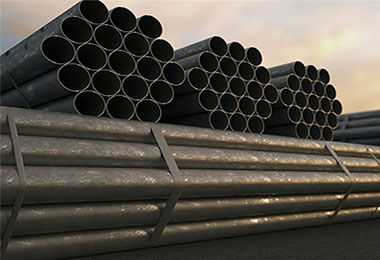
A honed tube is a finished component, not a steel grade. The base metal — E355/ST52.3, CK45, 42CrMo4, 304/316L and others — is only half the specification; the other half is the bore itself. Two tubes of identical chemistry but different honing quality behave like different products on the same cylinder, because the seal runs against the bore, not against the certificate.
That distinction matters when you read a supplier's data sheet. Many pages list "honed tube" as if it were a material, then quote a single yield value. In reality the part is defined by a standard (EN 10305-1:2016 for European cold-drawn precision tube, ASTM A519 for U.S. mechanical tubing, GB/T 8713 in China), a grade, a delivery condition, and a bore specification. This guide explains what the part is, how the bore is made, and where it is used — so a purchase order can name the right thing. Request a quote with your ID × wall × Ra.
Specifications
Honed tube production range — GNEE Pipe
| Parameter |
Capability |
| Product standard |
EN 10305-1:2016 (cold-drawn seamless precision); ASTM A519; GB/T 8713; DIN 2391 (withdrawn → EN 10305-1) |
| Inside diameter (ID) |
≈ 40–500 mm (1.6–19.7 in); larger bores route to EN 10297-1 |
| Wall thickness |
Typical 4–25 mm (0.16–0.98 in) |
| Bore tolerance |
ISO H8 standard; H9 optional (e.g. 30–50 mm ID: +0.039/0 mm; 315–500 mm ID: +0.089/0 mm) |
| Surface roughness (Ra) |
0.2–0.4 µm honed; 0.05–0.2 µm SRB |
| Straightness |
≤ 0.5 mm/m (≤0.5/1000) |
| Length |
Up to 12 m (39 ft), fixed or random |
| Delivery condition |
+SR (BK+S, stress-relieved) for welded barrels; +N (NBK) or cold-finished available |
| Certification |
EN 10204 3.1 material certificate; third-party inspection available |
Common Material Grades
Frequent grades for honed cylinder tubing (typical +SR yield)
| Grade |
Standard / material no. |
Typical +SR yield |
Notes |
| E355 / ST 52.3 |
EN 10305-1 / 1.0580 |
≥ 450 MPa (65,300 psi) |
Workhorse for pressure barrels; the legacy "ST 52.3" is the same steel under DIN 2391 |
| CK45 / C45E |
EN 10305-1 / 1.1191 |
≈ 340–355 MPa normalized |
Heat-treatable; classic for rods, used where hardenability matters |
| SAE 1020 / 1026 |
ASTM A519 |
≥ 295 MPa (42,800 psi) |
General U.S. carbon tubing |
| 42CrMo4 / 4140 |
EN 10305-1 / 1.7225 |
high (Q+T) |
Alloy, heavy-duty / high-strength barrels |
| 304 / 316L |
EN 10305 / ASTM |
— |
Corrosion-resisting services (marine, chemical) |
Honed vs SRB vs DOM
These three names are not interchangeable, and mixing them on a purchase order causes the classic "arrived, but won't seal" problem.
Process comparison for cylinder barrels
| Attribute |
Honed tube |
SRB tube |
DOM (un-honed) |
| Process |
Abrasive stones, cross-hatch |
Skive + roller burnish, mirror |
Welded blank, cold drawn |
| Surface (Ra) |
0.2–0.4 µm |
0.05–0.2 µm |
~1.6–3.2 µm (as-drawn) |
| Oil retention |
Yes (cross-hatch) |
Low (mirror) |
Poor |
| Surface hardness |
Base metal |
+30–50% (cold work) |
Base metal |
| Speed / cost |
Slower |
Much faster on large bores |
Fastest base form |
| Use as barrel |
Yes |
Yes (high-volume) |
No — feedstock only |
Most buyers accept either honed or SRB provided the ID tolerance and Ra are met; the choice is usually cycle time and volume. DOM is a starting material, not a finished barrel — an un-honed DOM bore will give unstable seal compression and short seal life.
What Is a Honed Tube Used For?
The finished bore exists for one job: let a piston seal move under pressure with low friction and minimal leakage. That makes honed tubing the default barrel wherever precise, high-pressure linear motion is needed.
- Hydraulic cylinder barrels. Excavators, cranes, loaders, telescopic and mining cylinders — the honed bore carries system pressure (often 160–350 bar, ~2,300–5,100 psi at typical walls) while the seal glides without scoring.
- Pneumatic cylinders. Automation, assembly lines, pick-and-place and packaging machinery, where fast, leak-tight stroke motion depends on a clean H8 bore.
- Presses and injection-molding machines. Stamping and clamping cylinders need straight, round bores to hold tonnage and repeat position cycle after cycle.
- Agricultural and material-handling equipment. Tractors, forks and aerial-work platforms rely on honest barrels for service life in dirty, cyclic duty.
- Marine, offshore and energy. Harsh-environment actuators where corrosion-resisting grades (304/316L, duplex) and straightness keep cylinders reliable.
Beyond cylinders, the same precision bore serves as guide sleeves, spindle components and mold-ejector housings in machine tools — anywhere a sliding member needs a controlled, oil-friendly running surface.
How to Check Quality on Delivery
- Measure the bore at several points along the length and both ends — verify the H8/H9 band, not just one spot.
- Check surface roughness (Ra) with a profilometer; confirm the cross-hatch is present, not polished flat.
- Verify straightness and wall — a barrel that bows or varies in wall will bind or leak under stroke.
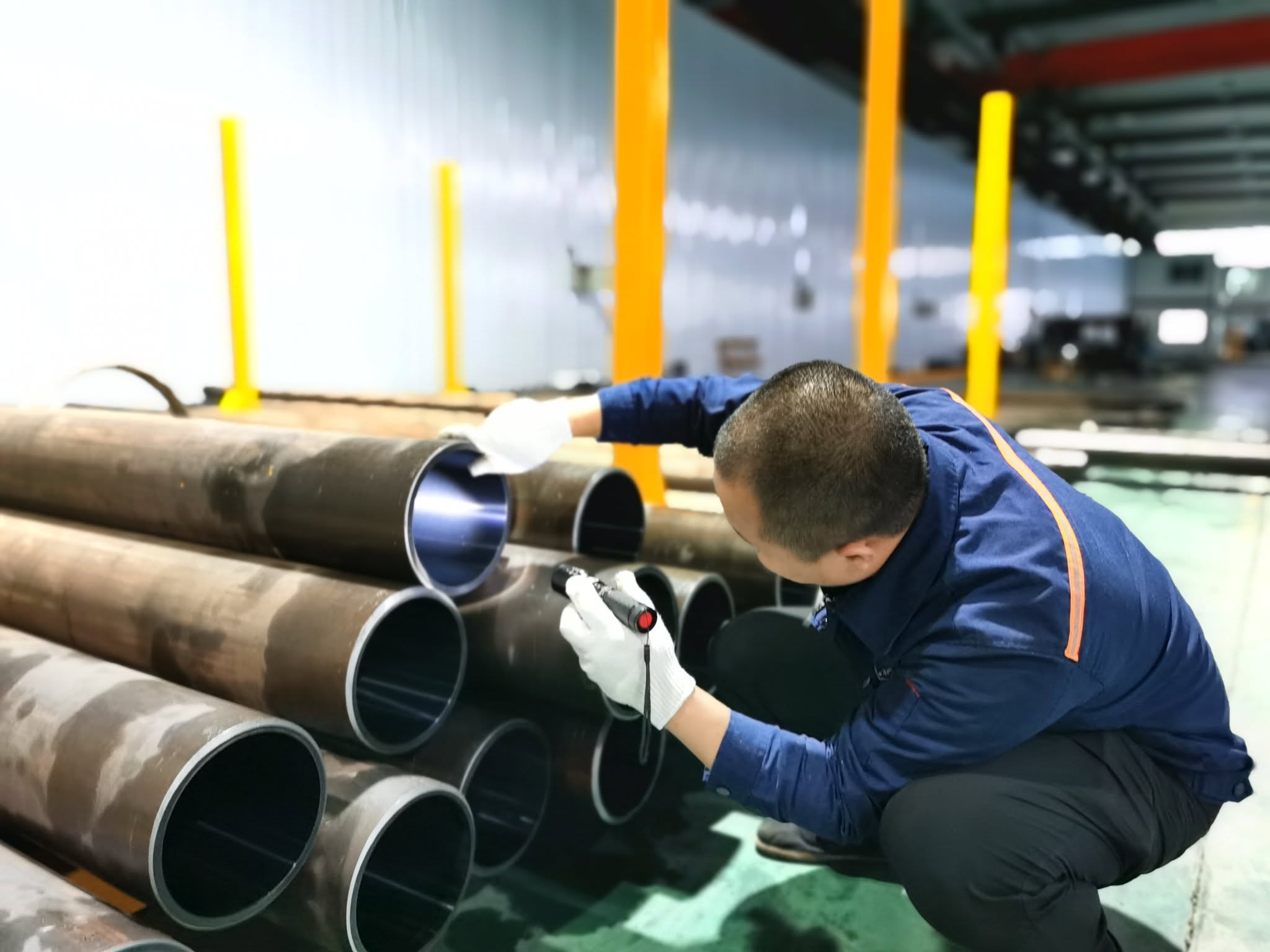
- Visual inspect for scores, pits and debris in the bore; any through-mark shortens seal life.
- Match the certificate to the heat number — EN 10204 3.1 should trace chemistry and properties to your actual tube.
- Allow third-party inspection (SGS, TÜV, BV) on request before shipment for project work.
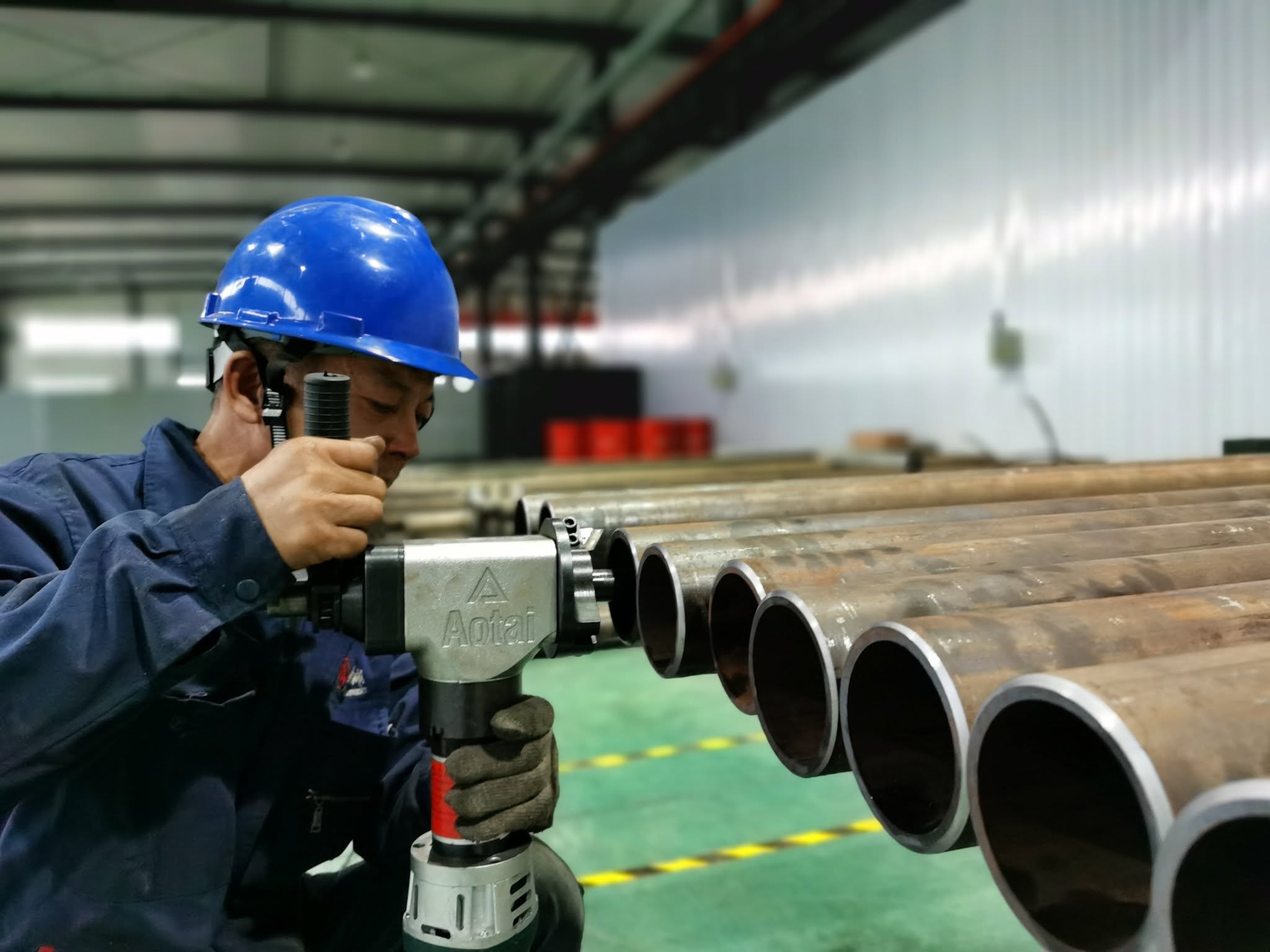
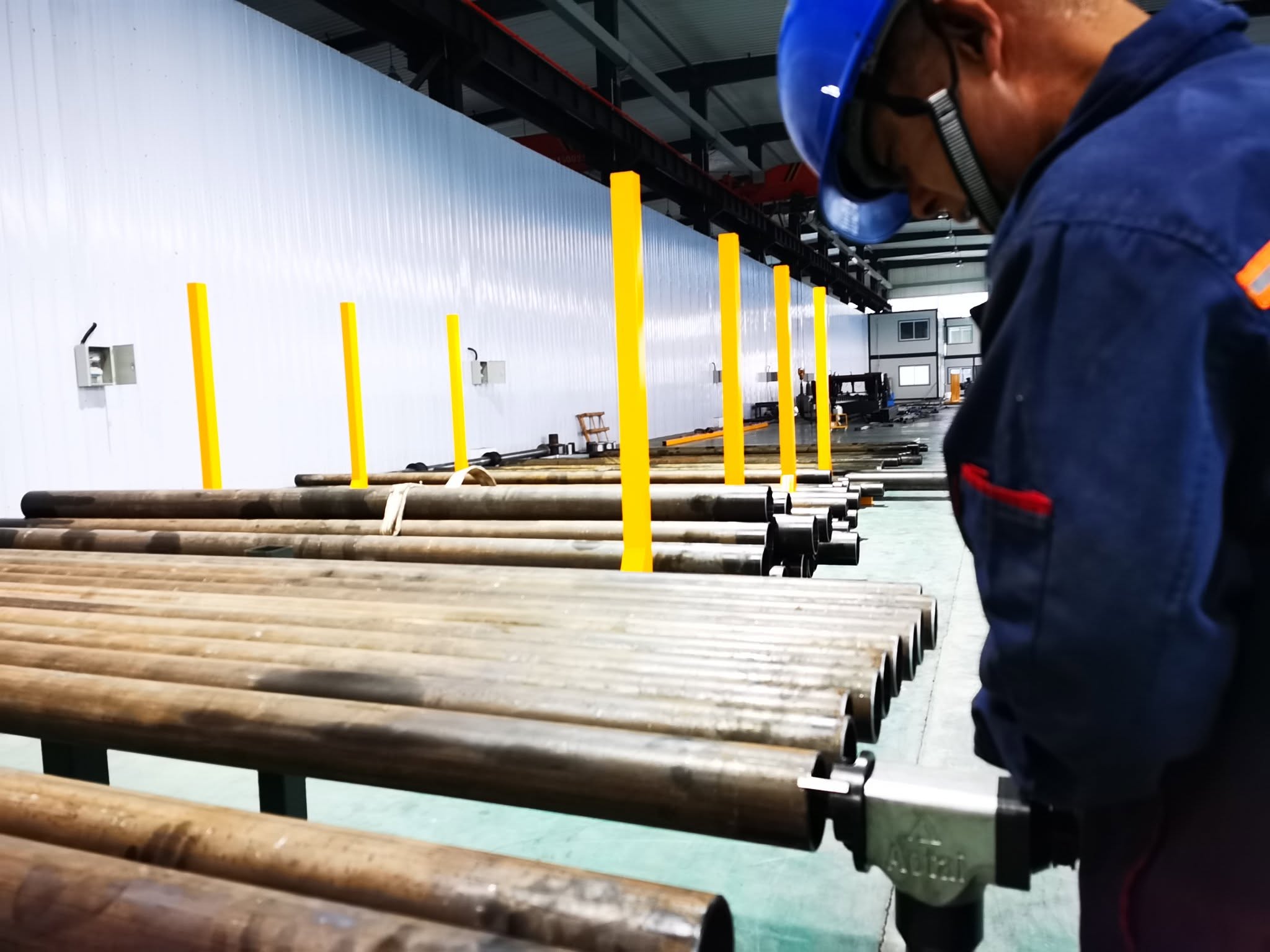
Test and inspection
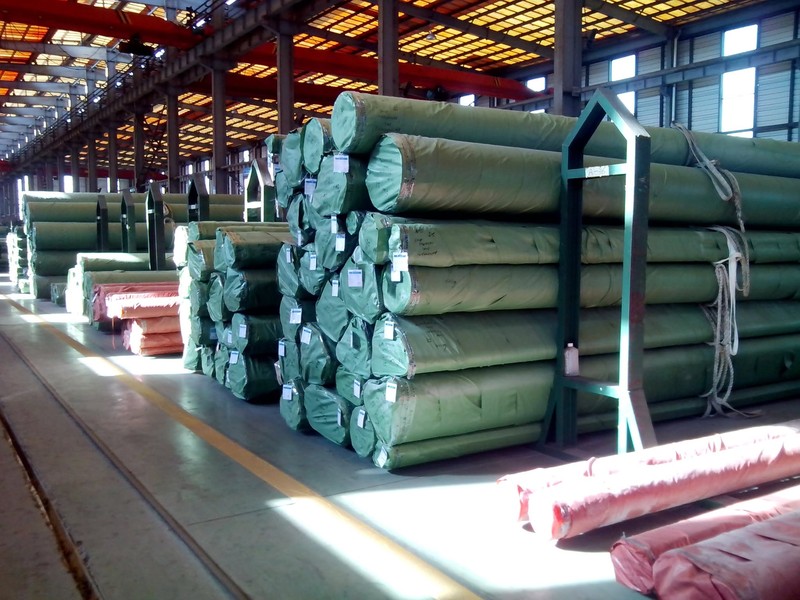
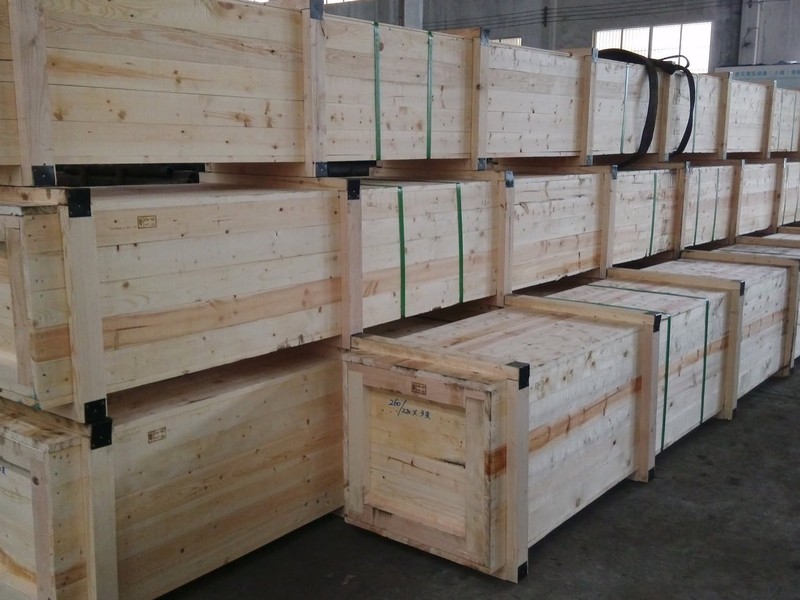
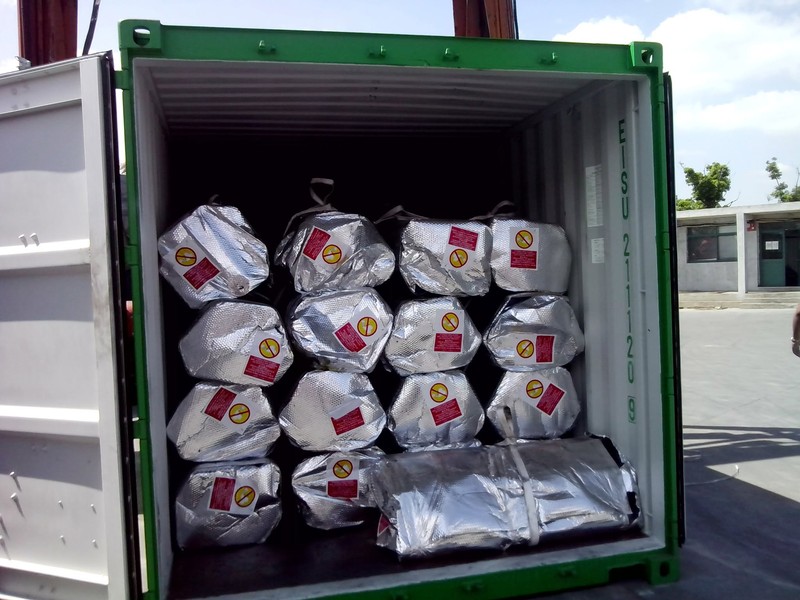
Packaging and shipping
Send your
ID × wall × length, grade (with material number), bore tolerance (H8/H9) and Ra — our technical team will confirm the specification and return a quotation with lead time, typically within 24 hours.
FAQ
What is a honed tube?
A honed tube is a seamless steel tube whose internal bore has been precision-finished by honing or skiving & roller burnishing (SRB). The result is a controlled inside diameter (typically ISO H8, optionally H9) with a smooth, oil-retaining surface of Ra 0.2–0.4 µm, ready to receive a piston and seal without further boring. It is a finished cylinder component, not a raw steel grade.
What is a honed tube used for?
Honed tubes are used mainly as cylinder barrels for hydraulic and pneumatic cylinders — excavators, cranes, loaders, presses, injection-molding machines, agricultural and material-handling equipment, and automation actuators. The finished bore lets the piston seal glide with low friction and minimal leakage, so it is also specified wherever precise, high-pressure linear motion is needed.
What is the difference between a honed tube and a pipe?
A honed tube is "tubing": its outside diameter is closely controlled and the bore is the product itself, carrying no implied pressure rating until a grade and delivery condition are specified. A pipe is sized by NPS or outside diameter plus wall thickness and is defined by a pressure-code standard (e.g. API 5L, ASTM A106). Calling a honed tube a "honed pipe" is loose trade wording and must not be used as a specification, because it omits the tolerance class and bore finish that make the part work.
What standards apply to honed tubes?
The current European product standard is EN 10305-1:2016 (cold-drawn seamless precision tube). The older DIN 2391 has been withdrawn and replaced by EN 10305-1. U.S. supply follows ASTM A519 (mechanical tubing); China uses GB/T 8713 for honed cylinder tubes. For bores larger than about 320 mm ID, the supply route shifts to EN 10297-1 (machined tube), where the yield basis changes — confirm which route a supplier quotes.
What surface finish and bore tolerance can I specify?
Standard honed bore tolerance is ISO H8 (e.g. +0.039/0 mm at 30–50 mm ID, up to +0.089/0 mm at 315–500 mm ID); H9 is the economy alternative. Inner surface roughness is typically Ra 0.2–0.4 µm for honing and Ra 0.05–0.2 µm for SRB. Straightness is usually held at ≤0.5 mm per metre (≤0.5/1000). Note that a smoother Ra is not automatically better — below about Ra 0.1 µm the mirror finish cannot hold an oil film, which raises friction heat and accelerates seal wear.
What is the difference between honing and skiving & roller burnishing (SRB)?
Honing uses abrasive stones in an expanding head to cut a controlled, cross-hatched bore (Ra 0.2–0.4 µm) that retains oil in the pattern. SRB skives off a thin layer with fixed blades, then cold-work-rolls the surface to a denser, near-mirror finish (Ra 0.05–0.2 µm) and adds 30–50% surface hardness, but without the intentional oil-retaining cross-hatch. SRB is far faster on large bores; honing is preferred where tribology and straightness matter most. Many buyers accept either, provided the ID tolerance and Ra are met.
How do I specify a honed tube on a purchase order?
State: (1) standard and grade with the material number — e.g. EN 10305-1:2016 E355 (1.0580) or the legacy DIN 2391 ST 52.3, never the grade name alone; (2) delivery condition (+SR/BK+S for welded barrels); (3) inside diameter, wall thickness and length; (4) bore tolerance class (H8/H9); (5) surface roughness (Ra); (6) straightness; (7) end condition and any porting; (8) certificate EN 10204 3.1; (9) destination and lead-time need. Do not write only "ST52" or "355 MPa" — that leaves the supply route and yield basis undefined.
Conclusion
A honed tube is a finished, bore-critical component: a seamless tube whose inside has been honed or SRB-finished to ISO H8 (Ra 0.2–0.4 µm) so a piston seal can run under pressure without further machining. Its value lives in the bore — tolerance, surface texture and straightness — not in the steel name alone, and the cross-hatch that retains oil is a feature, not a flaw. Specify it by standard, grade with material number, delivery condition, ID/Wall, tolerance class and Ra, and it becomes the most reliable part of the cylinder.

.jpg)
.jpg)
.jpg)