.jpg)

.jpg)
.jpg)
.jpg)
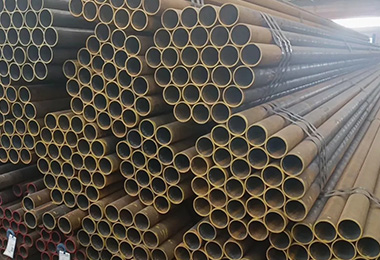
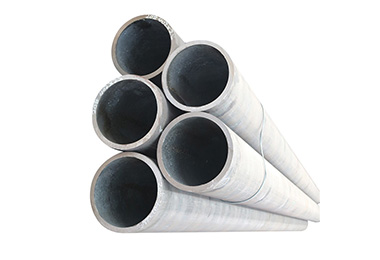
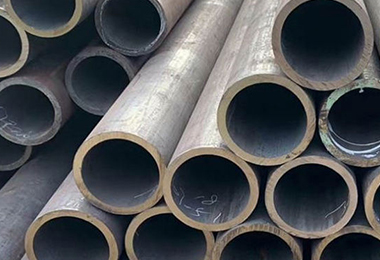
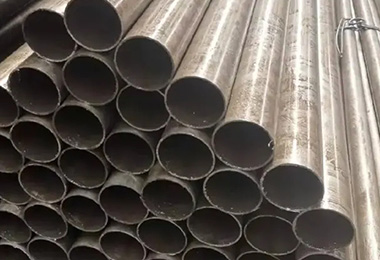
ASME SA213 T22 Seamless Boiler Tube
ASME SA213 T22 seamless boiler tube is a seamless ferrite and austenite steel tube specially designed for boilers and superheaters.

| Chemical Composition (%) | A192 Seamless Steel Pipe | A106 Grade B Seamless Steel Pipe |
|---|---|---|
| Carbon (C) | 0.06-0.18 (with strict control for high-temperature performance) | ≤0.30 (typically lower in practice for Grade B, but max allowed is 0.30) |
| Manganese (Mn) | 0.27-0.63 | 0.29-1.06 |
| Phosphorus (P) | ≤0.035 | ≤0.025 |
| Sulfur (S) | ≤0.025 (stricter control for cleanliness and high-temperature resistance) | ≤0.025 |
| Silicon (Si) | Not specified (but typically low) | 0.10 min (often 0.10-0.35) |
| Mechanical Properties | A192 Seamless Steel Pipe | A106 Grade B Seamless Steel Pipe |
|---|---|---|
| Tensile Strength (MPa) | ≥325 (minimum, often higher due to strict composition control) | ≥415 (Grade B minimum, frequently exceeds this in practice) |
| Yield Strength (MPa) | ≥180 (but typically higher due to manufacturing standards) | ≥240 (Grade B minimum, often higher) |
| Elongation (%) | ≥30-35 (depending on pipe size and heat treatment) | ≥30 (for longitudinal strip specimens under standard test conditions) |
| Hardness (HB, typical) | Low, due to low carbon and strict composition control | Medium, due to higher carbon and silicon content |
.jpg)